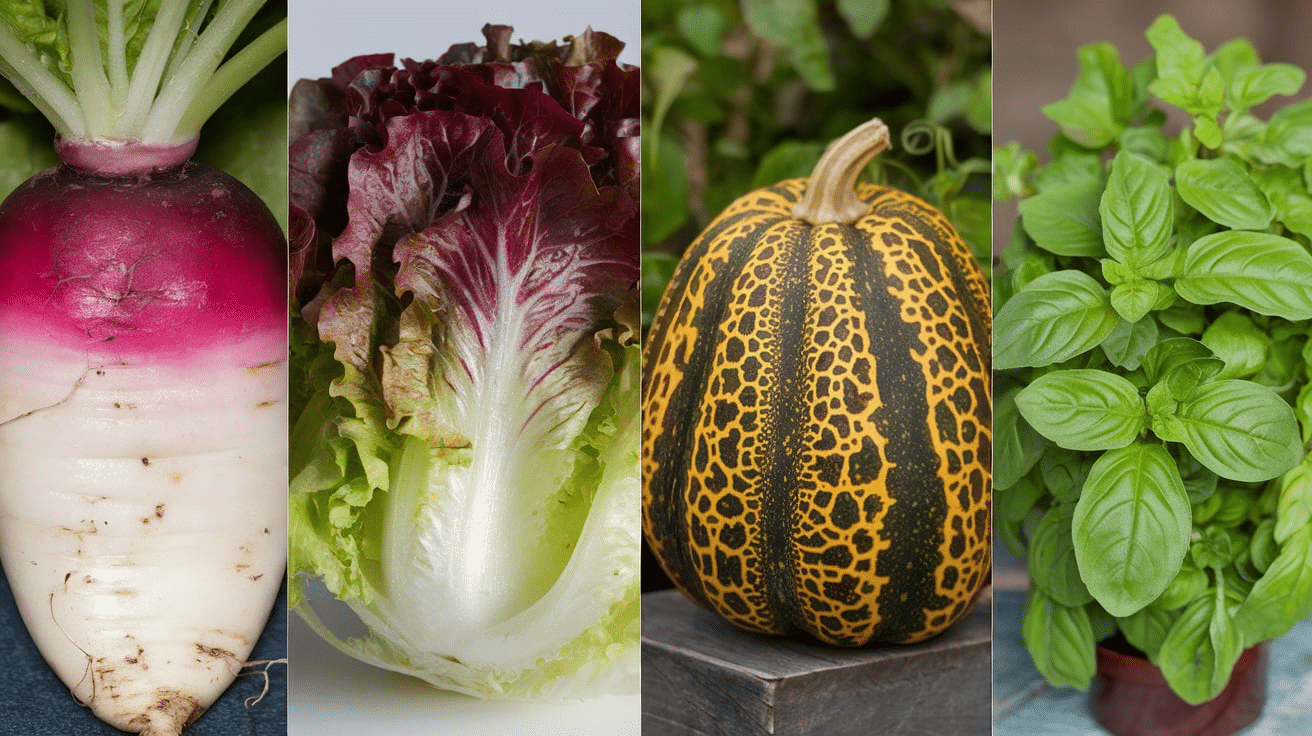
Unveiling the "L" Factor: A Deep Dive into Vegetables That Start with L
When you hear the phrase "vegetables that start with L," what comes to mind? For many, the answer often stops at one or two common suspects, perhaps a crisp head of lettuce or a slender leek. However, beneath this familiar surface lies an incredibly diverse and often surprising world of L-named plant foods, from ubiquitous salad staples to exotic roots and leafy greens. Many home cooks struggle to diversify their vegetable intake, sticking to a predictable rotation. This comprehensive guide aims to shatter that culinary monotony, introducing you to an array of distinct L-vegetables from around the globe. Get ready to expand your palate, enhance your nutritional knowledge, and discover new flavors that could revolutionize your cooking repertoire.
Beyond the Salad Bowl: The Diverse World of L-Veggies
A vegetable, in culinary terms, encompasses any edible part of a plant—be it roots, stems, leaves, flowers, or even certain fruits—typically used in savory cooking. The "L" family of vegetables exemplifies this botanical versatility, offering a spectrum of textures, flavors, and nutritional profiles. From the verdant freshness of leafy greens to the earthy depths of root vegetables and the unique appeal of sea vegetables, the variety is truly astounding. While some are global mainstays, others are regional delicacies waiting to be discovered, each bringing its own character to the kitchen. Exploring these options not only adds excitement to your meals but also ensures a broader spectrum of essential nutrients in your diet.
Common L-Vegetables You Already Love (or Should!)
Let's begin with the familiar, those L-vegetables that often grace our grocery aisles and dinner plates, yet still hold surprising depth and versatility.
- Lettuce: The Salad King
Undoubtedly the most recognizable vegetable that starts with l, lettuce (Lactuca sativa) is far from a one-note ingredient. This leafy green comes in numerous varieties, each offering a distinct texture and subtle flavor profile:
- Romaine: Known for its crisp, elongated leaves and slightly bitter taste, perfect for Caesar salads.
- Iceberg: Famous for its crunchy texture and mild flavor, a classic choice for wedges and burgers.
- Butterhead (Boston/Bibb): Soft, tender leaves with a buttery texture and sweet flavor, ideal for delicate salads.
- Green Leaf & Red Leaf: Looser, frillier leaves with a slightly bitter, peppery taste, great for adding volume and color.
Beyond salads, lettuce can be lightly grilled, added to sandwiches, or used as wraps for a low-carb alternative. It's rich in vitamins A and K, as well as folate.
- Leek: The Aromatic Allium
Often mistaken for a large spring onion, the leek (Allium ampeloprasum) is a member of the onion family with a milder, sweeter, and more sophisticated flavor. Its white and light green parts are commonly used. To prepare, always wash thoroughly as dirt can hide between its layers. Leeks are fantastic in:
- Soups and stews (e.g., classic potato leek soup)
- Quiches and gratins
- Sautéed as a side dish, often with butter and herbs
Leeks are a good source of vitamins K and A, manganese, and dietary fiber, promoting digestive health.
- Lima Beans: The Butter Bean
These flat, kidney-shaped beans (Phaseolus lunatus), also known as butter beans, have a creamy texture and delicate, starchy flavor. While some recall them from childhood as a less-than-favorite, properly prepared lima beans can be incredibly delicious. They are available fresh, frozen, or dried. Tips for enjoying them:
- Combine with corn and other vegetables for a succotash.
- Add to stews or casseroles for a hearty, creamy element.
- Mash them into a flavorful dip with herbs and garlic.
Lima beans are an excellent source of plant-based protein, fiber, and iron, making them a valuable addition to any diet, especially vegetarian and vegan.
Exotic and Unique L-Veggies to Expand Your Palate
Now, let's venture into the more adventurous territory of L-vegetables that might be less familiar but offer fascinating culinary possibilities.
- Lotus Root (Lotus Stem): The Aquatic Marvel
A true vegetable that starts with l with an eye-catching appearance, lotus root (Nelumbo nucifera) is the rhizome of the lotus flower, popular in Asian cuisine. When sliced, it reveals an intricate, almost lace-like pattern of air channels. Its texture is crisp and starchy, akin to a water chestnut, with a slightly sweet and nutty flavor. You can find it fresh or canned in Asian markets. Culinary uses include:
- Stir-fries, where its crunch adds a delightful contrast.
- Soups and stews, absorbing flavors beautifully.
- Tempura or thinly sliced and fried into chips.
- Pickled as a refreshing accompaniment.
Lotus root is a good source of dietary fiber, vitamin C, and various minerals.
- Luffa (Sponge Gourd): The Edible & Exfoliating Gourd
Yes, the same plant that gives us bath sponges also yields an edible vegetable! Young luffa gourds (Luffa aegyptiaca or Luffa acutangula), also known as sponge gourd or angled luffa, are popular in Asian and African cooking. They have a mild, slightly sweet flavor and a soft, somewhat spongy texture when cooked. It's crucial to harvest them young, as mature luffa becomes fibrous and inedible. Try them in:
- Curries and stews.
- Stir-fries with garlic and soy sauce.
- Soups, where they soak up broth.
Luffa is low in calories and provides vitamins A and C.
- Lamb’s Lettuce (Cornsalad): The Delicate Green
Often referred to as cornsalad, lamb's lettuce (Valerianella locusta) is a delicate, small leafy green with a slightly nutty, sweet, and mild flavor. Its tender leaves make it a gourmet addition to salads. It's a fantastic alternative to more robust greens, especially when you want a subtle flavor profile. It pairs wonderfully with citrus vinaigrettes, goat cheese, and toasted nuts. This tiny green is packed with vitamins A and C, and iron.
- Lamb’s Quarters: The Wild Superfood
Often considered a weed, lamb's quarters (Chenopodium album) is actually a highly nutritious wild edible. Its leaves resemble a goose's foot and have a slightly powdery coating on the underside. The flavor is similar to spinach but often described as earthier and slightly saltier. Use it as you would spinach:
- Steamed or sautéed as a side.
- Added to soups, stews, or omelets.
- Blanched and mixed into pestos.
It's incredibly rich in vitamins A, C, and K, as well as calcium and iron, making it a true superfood if you can forage it responsibly.
- Lagos Bologi & Lagos Spinach (Efo Shoko): West African Staples
These two leafy greens are central to West African, particularly Nigerian, cuisine. Lagos Bologi (Talinum triangulare), also known as Waterleaf, has succulent leaves and stems, offering a slightly mucilaginous texture and mild flavor. Lagos Spinach (Celosia argentea), known as Efo Shoko, has broad, tender leaves with an earthy taste, similar to regular spinach but often more robust. Both are highly nutritious and commonly used in:
- Soups like Efo Riro or Egusi soup.
- Stews and sauces, often paired with various proteins.
They contribute significant amounts of vitamins, minerals, and antioxidants to traditional diets.
- Limu Kala: The Hawaiian Sea Vegetable
Heading to the ocean, Limu Kala (Sargassum echinocarpum) is an edible seaweed traditionally harvested and consumed in Hawaii. It has a distinctive briny, slightly bitter flavor and a crisp texture. It's a vital ingredient in traditional Hawaiian poke and other seafood dishes, often chopped and mixed with other ingredients to add a unique oceanic depth. As with many sea vegetables, it's rich in minerals like iodine and various trace elements.
- Loroco: The Central American Flower Bud
Loroco (Fernaldia pandurata) is not a leaf or a root, but rather the edible flower bud of a vine native to Central America. It has a unique, aromatic, and slightly pungent flavor that is often described as a mix of asparagus, artichoke, and perhaps a hint of squash blossoms. It's a cherished ingredient, particularly in Salvadoran and Honduran cuisine, commonly found fresh or preserved in jars in Latin American markets. Loroco shines in:
- Pupusas (stuffed tortillas).
- Scrambled eggs or omelets.
- Cream sauces for poultry or seafood.
- Soups and stews, adding a distinctive floral note.
It's a good source of fiber, calcium, and iron.
Cultivating Culinary Curiosity with L-Vegetables
The journey through vegetables that start with L reveals a world far richer than just lettuce and leeks. Embracing this diversity isn't just about trying new foods; it's about enriching your diet, expanding your cooking skills, and connecting with global culinary traditions. Here are some actionable tips to integrate these "L" culinary treasures into your kitchen:
- Start Small: Pick one or two new L-vegetables from this list each month. Begin with the more accessible ones like Lamb's Lettuce or explore Lotus Root from an Asian market.
- Seek Out Specialty Stores: While your local supermarket might carry lettuce and leeks, international grocery stores (Asian, Latin American, African) are your best bet for finding exotic L-vegetables like lotus root, luffa, Lagos spinach, or loroco.
- Research Preparation: Don't be intimidated by unfamiliar ingredients. A quick online search will yield a plethora of recipes and preparation techniques. For instance, knowing how to properly clean a leek or blanch lamb's quarters can make all the difference.
- Experiment with Familiar Dishes: Substitute a known vegetable for an L-alternative. Instead of regular spinach, try lamb's quarters in your next stir-fry. Add some chopped loroco to your scrambled eggs for an intriguing new flavor.
- Embrace the Health Benefits: Diversifying your vegetable intake ensures a wider array of vitamins, minerals, antioxidants, and fiber. Each unique vegetable brings its own set of beneficial compounds, contributing to overall well-being, improved digestion, and stronger immunity.
- Join the Alphabetical Challenge: Consider challenging yourself to cook with a new vegetable for every letter of the alphabet. This guide offers a fantastic starting point for your "L" entry!
Conclusion
From the garden to the sea, and from common salads to exotic stews, the array of vegetables that start with L is a testament to the incredible diversity of nature's bounty. We've journeyed beyond the expected, uncovering not only familiar favorites but also unique culinary treasures like the patterned lotus root, the delicate lamb's lettuce, and the aromatic loroco. By stepping out of your comfort zone and exploring these fascinating plant foods, you not only elevate your cooking but also nourish your body with a broader spectrum of nutrients. So, next time you're planning your meals, remember the "L" factor and let these incredible vegetables inspire your next culinary adventure.
